
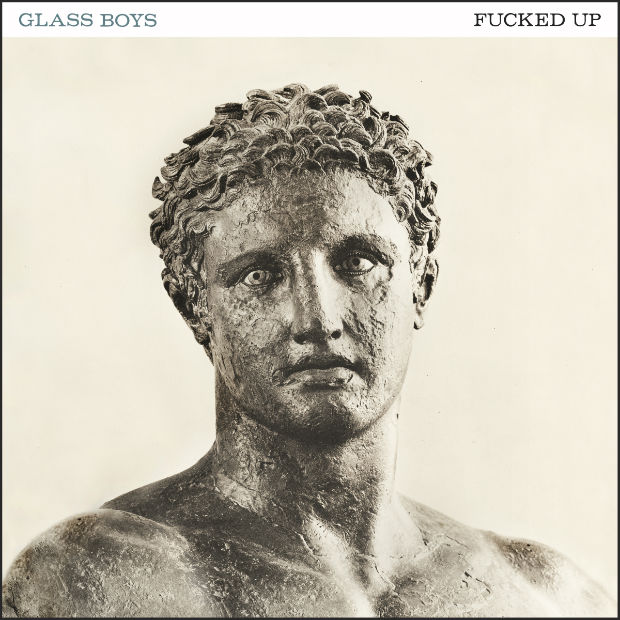
Fucked Up – Glass Boys
Glass Boys sees the band revisiting more concise musical forms, but as ever, there is a point to the album. The notions of growing older, responsibilities and compromise seem to be troubling the band, and in particular, vocalist and focal point Damian Abraham; clearly he’s has been looking inward and asking some searching questions. Opening track Echoboomer makes no bones about it. From a relatively delicate opening the album bursts into life with Abraham’s serrated roar holding its own above the colossal thrum of his band. “I can still hear who I was meant to be. I’m the reflection of a dream” he howls as he battles with the idea of staying true to himself by exploring his past. The conclusion he appears to draw is that his words and the band’s music will outlive him, but there is hope that he’ll hang on to his youthful ideals in the line: “I can still be the boy I used to be.” Read the full review on Music OHM
Bob Mould – Beauty & Ruin
Nothing on Beauty & Ruin truly resembles experimentation, as Mould, unburdened of so much baggage of late, seems joyously unconcerned with proving anything to anyone other than the fact that he can still craft hook after hook. “Little Glass Pill” opens with a airy folk intro before plowing straight into a bleary-eyed, Sugar-style rager, while “Forgiveness” feels forced in both its ham-fisted jangle and its stiff attempt to add some small amount of textural dynamic to the album. Thankfully, “Forgiveness” is the only track here that feels disposable, although “Let the Beauty Be” and “Fix It” come close; the back-to-back songs usher out Beauty & Ruin on a sentimentally gooey note that finds Mould content to mouth banalities like “It won’t seem so bad” and “Time to fill your heart with love”. Read the full review on Pitchfork
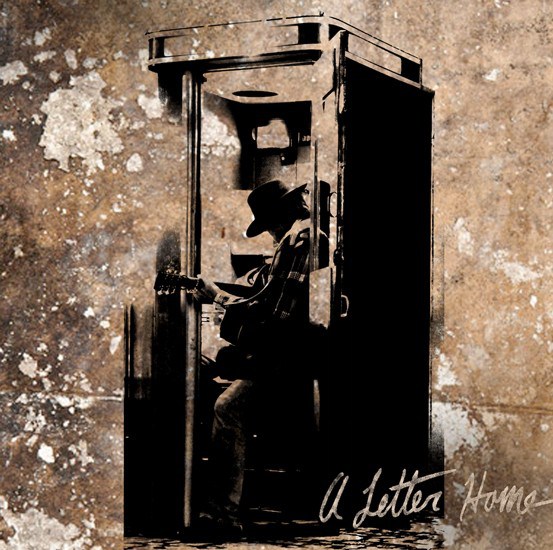
Neil Young – A Letter Home
a certain eeriness is very much in evidence throughout A Letter Home, an album that opens with three minutes of spoken word in which Young addresses his late mother, urging her to make amends with her ex-husband in the hereafter. The eeriness is largely due to the effect of the recording booth’s distortion on Young’s voice. Over the last 50 years, his idiosyncratic vocal style has gone from causing widespread dismay – “we sounded quite good … then Neil started singing,” as one member of his early 60s combo the Squires gloomily recalled – to comforting familiarity. Young sounds as he always did, but the Voice-O-Graph seems to give his singing its strangeness back: enveloped in its warped, wavering noise, he suddenly sounds less like a legendary rock star than one of those oddball denizens of the old, weird America dug up by Harry Smith for the Anthology of American Folk Music. The sound sometimes jars with the material – not least Willie Nelson’s cheery tale of touring life, On the Road Again – but more often it potentiates it. If You Could Read My Mind, written by Young’s Yorkville contemporary Gordon Lightfoot, is transformed from easy-listening chart-topper into something haunted and strange. Sung as a duet with Jack White, the Everly Brothers’ I Wonder Why I Care As Much sounds chillingly desolate. Read the full review on The Guardian